
Van Conversions: How to Save Money and Space (Without Sacrificing the Dream)
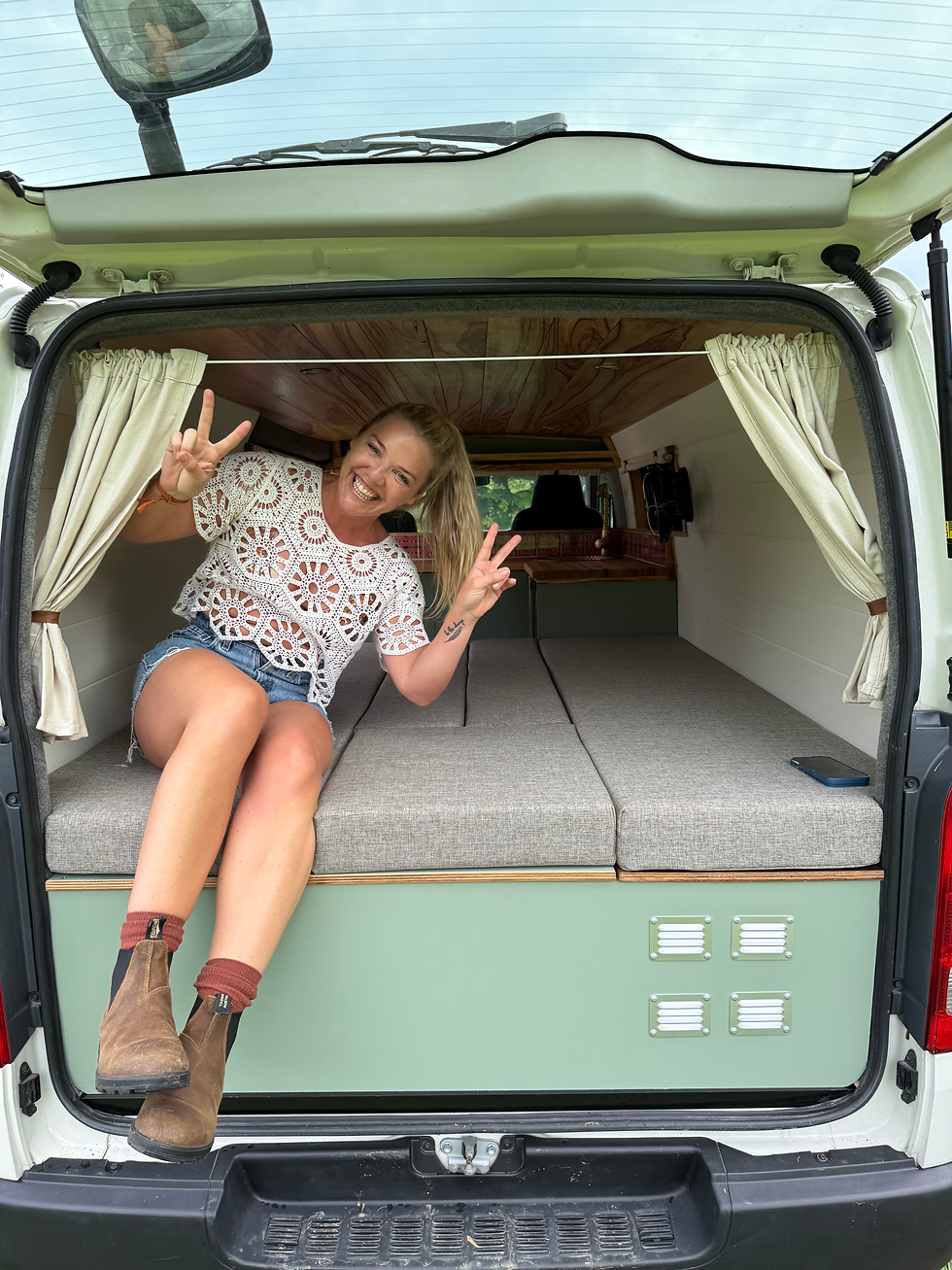
You open Pinterest, fall in love with a $90,000 fit-out, and instantly think… well that’s not happening.
The good news?Some of the most beautiful, functional vans on the road weren’t built with big budgets, they were built with smart decisions.
A great van conversion isn’t about how much you spend. It’s about how well you use what you have.
At Soul Camper, we believe freedom should feel simple, not financially overwhelming, so here’s how to build a cosy, practical home on wheels while saving both money and space.
1. Plan First, Buy Later (This Saves Thousands)
The biggest budget mistake people make isn’t tools, timber, or appliances, It’s changing their mind halfway through.
Before you purchase a single screw, spend time actually living in your empty van for a weekend. Take a mattress, a cooler, and a camp chair. You’ll quickly learn:
Where you naturally sit
Where light enters
Which doors you use most
What space feels cramped
Design around your habits not Instagram layouts.
Sketch your layout using masking tape on the floor. Walk through it. Pretend to cook. Pretend to get dressed. Pretend it’s raining and you’re stuck inside for 6 hours.
That one step alone can save you from rebuilding half the van later.
2. Choose Multi-Purpose Everything
In a house, items have one job. In a van, every item should have at least two.
This is the secret to saving both money and space.
Bed base doubles as storage drawers
Bench seat becomes guest seating
Table becomes desk + kitchen prep
Step into bed becomes shoe storage
Wall panels become hidden cupboards
The less furniture you build, the less material you buy and the more open your van feels.
3. Skip Expensive Cabinetry (There’s a Better Way)
Custom cabinetry is one of the most expensive parts of van builds and also the least necessary.
Instead, many experienced builders now use a modular approach.
Wooden crates instead of drawers
Fabric pockets instead of cupboards
Elastic cargo nets instead of shelves
Open shelving instead of doors
Slide-out tubs under the bed
This approach:
Reduces weight
Improves airflow
Prevents rattles
Costs a fraction of built-ins
And honestly it feels more relaxed and lived-in.
4. Don’t Overbuild Your Electrical System
Electrical systems are where budgets explode.
Most first-time builders design for a lifestyle they might have instead of the one they actually live.
Ask yourself:Do you really need a 12V oven, espresso machine, induction cooktop and 200Ah lithium battery?
Or do you need lights, phone charging and a fridge?
For many travellers, this covers 90% of needs:
100–150Ah battery
Solar panel (160–200W)
LED lights
USB ports
Small fridge
You can always upgrade later but rewiring a complex system hurts far more than adding a second battery down the track.
5. Use Lightweight Materials (Cheaper + More Space)
Heavy vans feel smaller, drive worse, and use more fuel.
Instead of thick hardwoods and heavy laminates, use lighter materials that still look beautiful.
Pine or plywood instead of hardwood
Vinyl flooring instead of tiles
Peel-and-stick splashbacks
Upholstery fabric panels instead of timber walls
Lightweight bamboo boards
Not only do they cost less they make the van feel brighter and larger.
Dark, heavy interiors shrink a van visually. Soft textures open it up.
6. Shop Second-Hand — But Shop Smart
A huge portion of van builds can come from Facebook Marketplace or Gumtree if you search correctly.
Look for:
Caravan parts
Boat hardware
Tiny home supplies
Camping equipment
Office storage solutions
Marine gear is especially valuable, designed for movement and small spaces.
Things worth buying used:
Fridges
Sinks
Windows
Fans
Storage containers
Things worth buying new:
Gas fittings
Electrical safety items
Water pumps
7. Design for Empty Space (Not Filled Space)
The mistake that makes vans feel cramped isn’t size — it’s clutter.
People try to recreate a house inside a van.
But van life feels good because of what’s missing.
Leave intentional gaps:
A blank wall
Open floor near the door
A clear bench corner
A window you didn’t block with cabinets
Space is the most luxurious feature you can build.
8. Start Simple, Travel Sooner
Many builds never finish because people try to build the “final version” before taking the first trip.
Instead:
Build a Phase 1 Van
Bed
Basic storage
Lights
Portable cooking
Then travel.
You’ll redesign half of it after your first few weekends anyway — and that’s part of the process.
The Soul Camper Philosophy
Your van doesn’t need to be perfect to be meaningful.
It needs morning light through the doors. Coffee with the ocean nearby. And enough comfort to stay one more night.
Every dollar you save on the build is a dollar you spend on experiences.
So build lighter. Build simpler. Build for living not impressing.
Because the goal was never the van.
It was always the freedom waiting outside it.